Top Strategies for Risk Management in Critical Material Supply Chains
Supply chains for critical materials face rising risks that can halt production and erode profits. You need strategies that cut through complexity and secure your supply with precision. Motjuan’s AI-powered platform delivers unmatched speed and transparency, helping you manage risk and build resilient, sustainable sourcing networks. Read on to learn how to protect your supply chain and capitalize on growing market opportunities. For further insights, you can explore resources like this one.
Identifying Key Risks in Supply Chains

Navigating supply chains involves overcoming challenges that can disrupt the flow of critical materials. Understanding these risks is your first step toward effective management.
Geopolitical and Economic Challenges
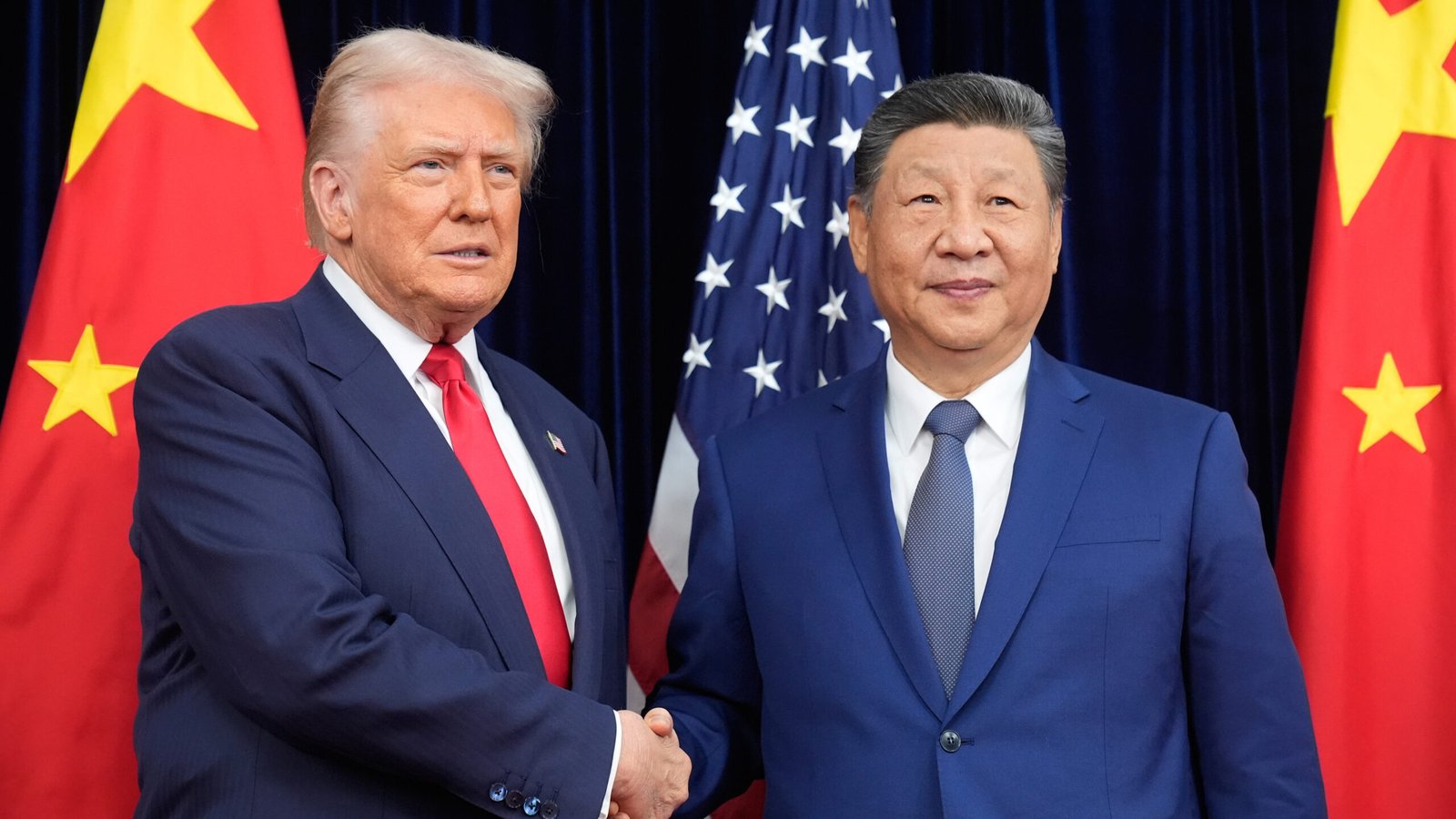
Geopolitical tensions can throw a wrench in your supply chain. A trade dispute or new tariffs can disrupt shipments overnight. These challenges are unpredictable and require constant vigilance. Economic shifts also play a role. A sudden downturn might reduce demand, while a boom could strain supply. You need to keep an eye on global markets.
For example, a sudden policy shift in a key supplier country could double your costs or delay shipments by weeks. This is why many businesses are turning to platforms like Motjuan, which provide real-time insights and analytics to anticipate these shifts.
Environmental and Regulatory Pressures
Environmental concerns are reshaping the landscape of supply chains. Regulations are tightening, demanding sustainable practices. Ignoring these can lead to hefty fines or supply interruptions. Consider the push for reduced emissions. Compliance isn’t optional; it’s a business necessity.
For instance, a new regulation might require your suppliers to change their processes, affecting timelines and costs. By adopting sustainable practices, you not only comply but also gain a competitive edge. Exploring strategies outlined by experts like AuditBoard can provide actionable insights.
Strategies for Risk Management

Once risks are identified, deploying effective strategies can help manage and mitigate them. Let’s explore how you can bolster your defenses.
Diversification and Contingency Planning
Relying on a single supplier is like walking a tightrope without a net. Diversification spreads risk. If one supplier falters, others can fill the gap. This strategy requires careful planning and relationship management.
Contingency planning is equally crucial. Have a backup plan ready to activate at a moment’s notice. Whether it’s rerouting shipments or finding alternative suppliers, preparation is key. Imagine a scenario where your primary supplier experiences a shutdown. Having a diversified network allows you to switch suppliers seamlessly, maintaining your supply chain’s flow. Resources such as those from Thomson Reuters can guide you in crafting these plans.
Leveraging AI-Powered Platforms
AI is transforming supply chains, offering speed and precision. Motjuan’s platform, for instance, uses AI to predict disruptions and optimize logistics. This technology helps you make informed decisions and adapt quickly to changes.
AI can also analyze vast amounts of data to identify potential risks before they become problems. It’s like having a crystal ball for your supply chain. With AI, you can anticipate delays, calculate impacts, and adjust strategies in real-time. This proactive approach dwarfs traditional methods, providing a significant edge in efficiency and resilience.
Building Resilient Sourcing Networks
Strengthening your sourcing network ensures that it can withstand any storm, keeping your supply chain running smoothly.
Sustainable Sourcing Practices
Sustainable sourcing isn’t just a trend; it’s a necessity. By choosing suppliers who prioritize sustainability, you reduce environmental impact and comply with regulations. This approach not only minimizes risk but also enhances your brand’s reputation.
For instance, sourcing materials from eco-friendly suppliers can position your company as a leader in sustainability, attracting environmentally-conscious consumers and investors. It’s a step toward making your supply chain not just resilient, but also responsible.
Collaborations and Strategic Partnerships
No business thrives in isolation. Building partnerships can expand your network and provide mutual benefits. Collaborations enable shared resources and risk mitigation strategies. Strategic partnerships open doors to innovation and efficiency improvements.
Think about collaborating with a logistics company to streamline transport or a tech firm for better data analysis. These partnerships can enhance your capabilities and provide new solutions to old problems. As you explore these avenues, resources like Ivalua offer valuable strategies for developing and sustaining such partnerships.
By understanding these strategies and implementing them, you can make your supply chain more resilient and responsive to changes. Keep your operations smooth and seize opportunities with confidence.